What's up in
Mars Daily
Mars missions, rover discoveries, planetary science, exploration technology, and the people, agencies, and companies shaping humanity's next destination.

Mars Daily
Dr. Ann Garrett Robinson, who died this year at 92 and was the first Black woman on Trinity College Hartford's faculty, spent decades gathering a personal archive of oil paintings, photographs and oral histories, and Yale's Beinecke had been helping her decide what to save
At 89, Dr. Ann Garrett Robinson — the first Black woman on Trinity College Hartford's faculty — is sorting decades of oil paintings, photographs, and oral histories with help from Yale's Beinecke Rare Book and Manuscript Library.

In 1952, Alfred Hershey and Martha Chase put a kitchen Waring blender to work at Cold Spring Harbor, spinning virus-infected bacteria fast enough to shear off the protein coats while leaving the injected DNA inside, and settled a decades-long argument by showing that genes are made of nucleic acid, not protein
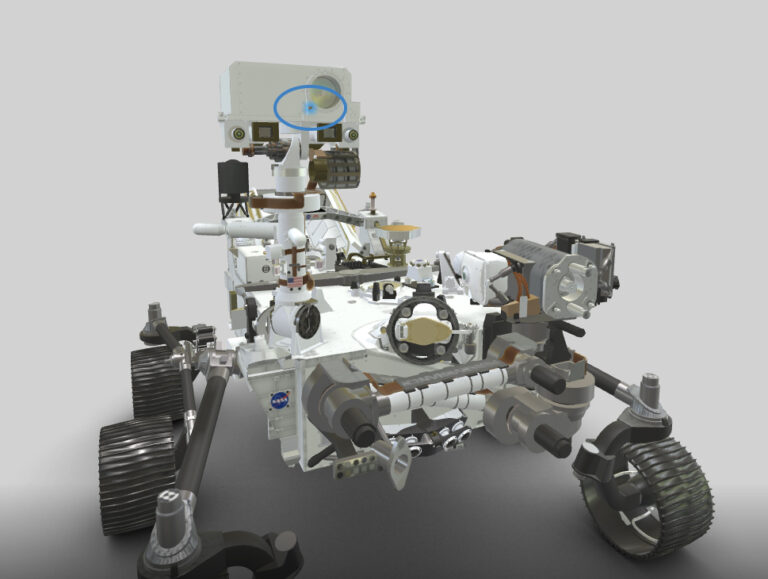
Mars’s atmosphere gives sound two effective speeds, divided at about 240 hertz—just below middle C. Perseverance measured low tones travelling at roughly 240 metres per second and higher tones at about 250, meaning the treble can arrive before the bass.

People who keep old birthday cards, faded ticket stubs, and handwritten notes in a drawer they rarely open aren't sentimental hoarders, they're keeping proof that certain moments actually happened
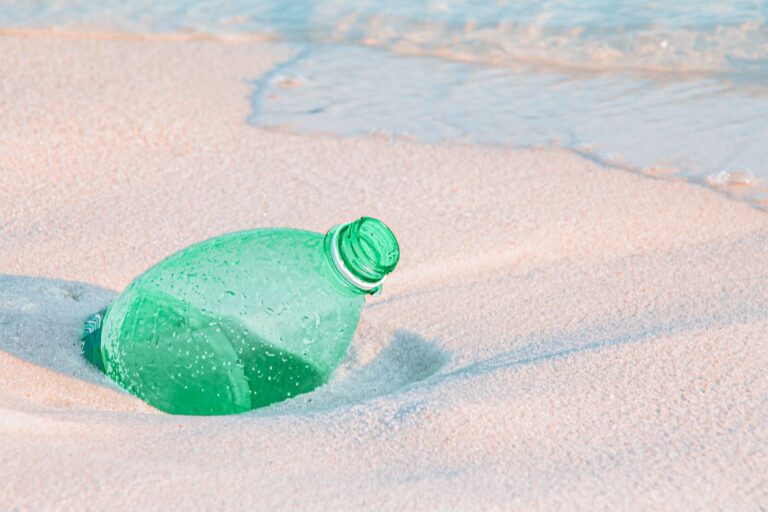
A new University at Buffalo study found Americans generate similar amounts of plastic packaging waste regardless of income or education, yet wealthier and more college-educated communities recycle far more of it, pointing to unequal access to recycling infrastructure rather than personal habit
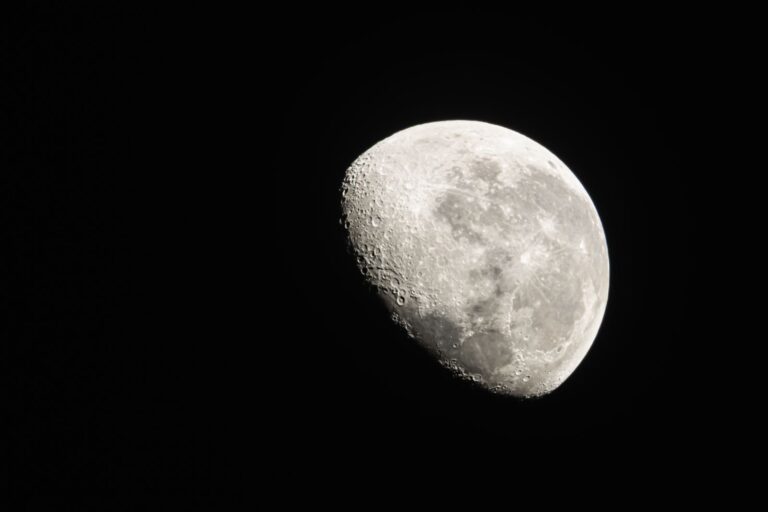
On 1 June 1966, Surveyor 1 landed on the Moon and sent home 10,338 pictures in under two weeks
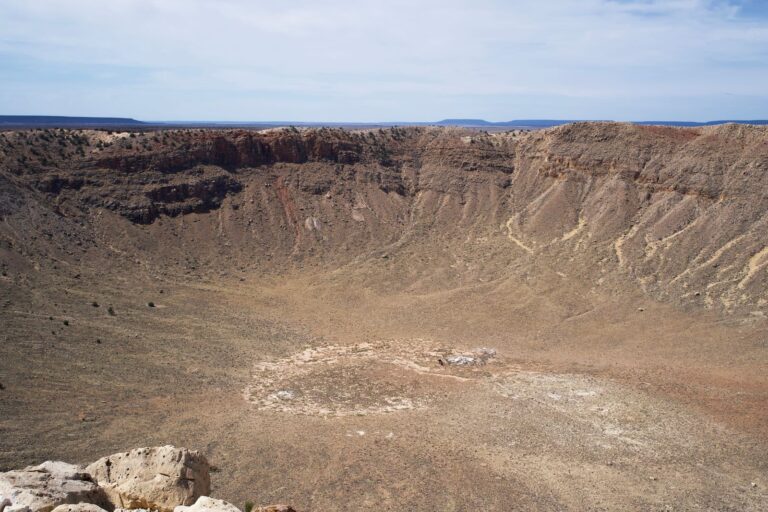
A meteorite that fell near the Australian town of Murchison in 1969 turned out to contain silicon carbide grains roughly 7 billion years old, meaning fragments inside that rock formed around dying stars more than 2 billion years before the Sun ignited
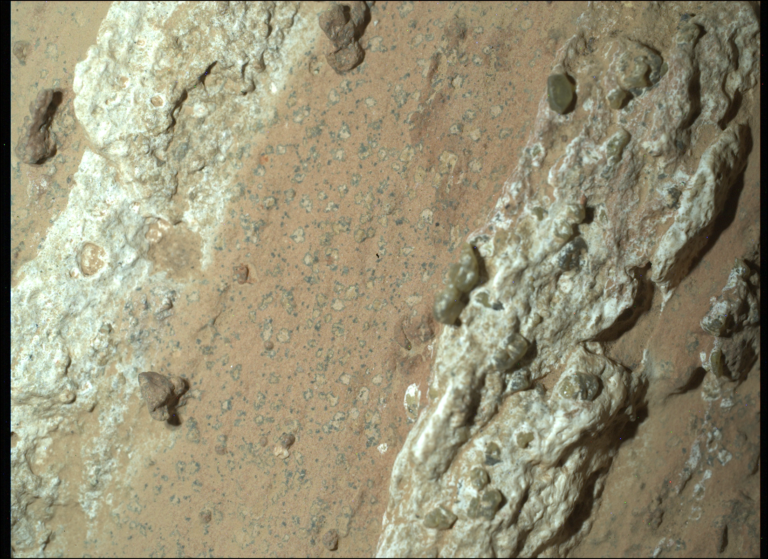
A rock on Mars nicknamed Cheyava Falls is speckled with 'leopard spots' — tiny rings of iron and phosphate that, on Earth, only form where microbes once lived, making it the strongest candidate for ancient life scientists have ever drilled
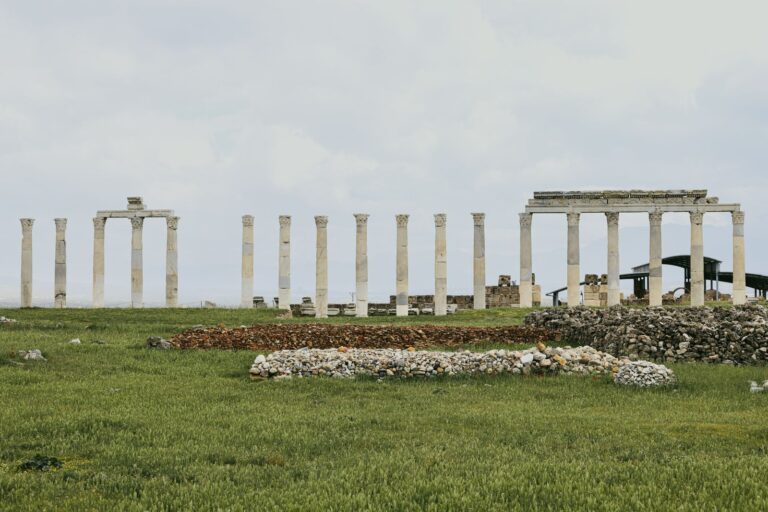
How did a hilltop sanctuary in southeastern Anatolia, built with 5-metre limestone pillars around 9600 BCE, predate Stonehenge by roughly 6,000 years without metal tools, pottery, or the wheel?
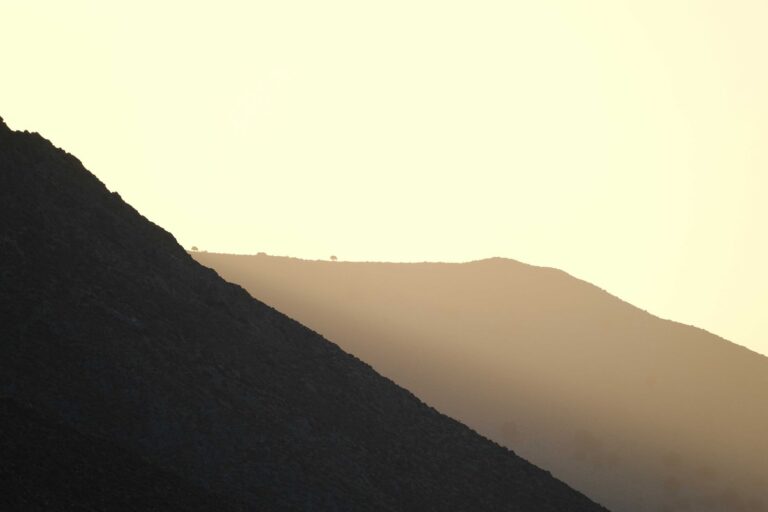
Olympus Mons on Mars rises about 22 kilometres above the surrounding plains but stretches roughly 600 kilometres wide, so a climber standing on its slope would see only a gentle rise in every direction and never realise they were on the tallest volcano in the solar system

In 1846, French astronomer Urbain Le Verrier predicted the position of an unseen eighth planet from irregularities in Uranus's orbit, and when he wrote to the Berlin Observatory, they found Neptune within a single degree of his coordinates on the very first night they looked