What's up in
Mars Daily
Mars missions, rover discoveries, planetary science, exploration technology, and the people, agencies, and companies shaping humanity's next destination.
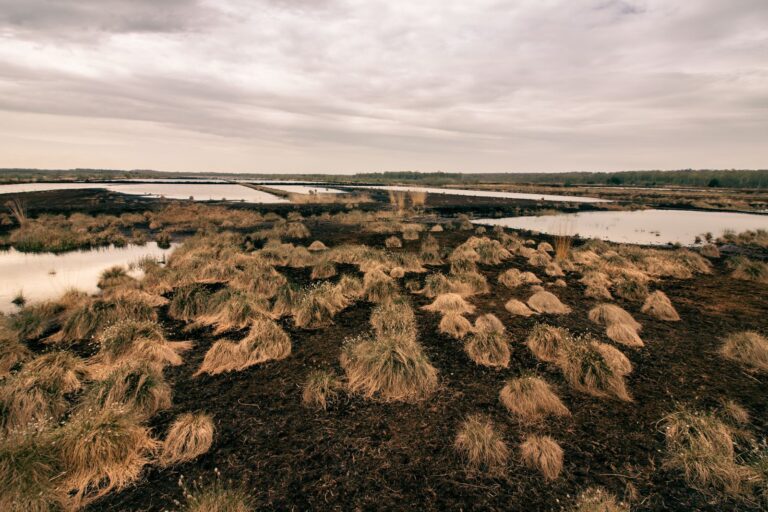
Why does draining a waterlogged carbon store that covers just 3 percent of land surface release more CO2 each year than the entire global aviation industry?

In January 1953, Maurice Wilkins showed James Watson the DNA image produced by Rosalind Franklin and Raymond Gosling without Franklin’s knowledge, weeks before three Nature papers changed biology
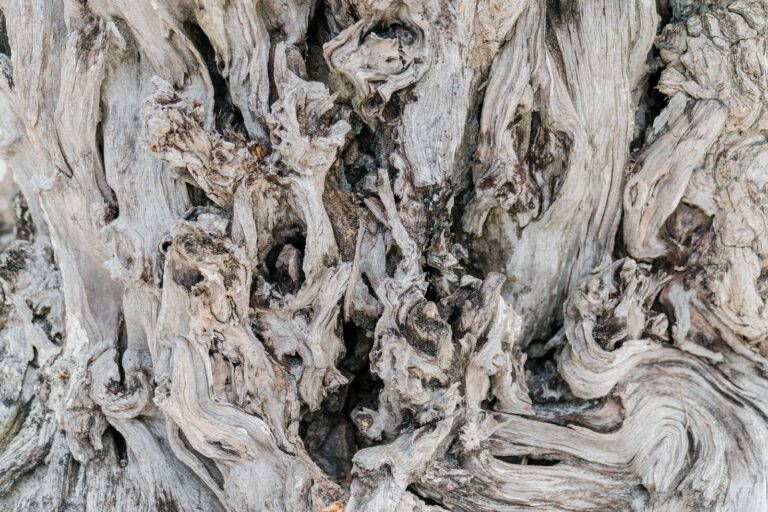
Bristlecone pines growing on the White Mountains of eastern California include individuals that germinated more than 4,800 years ago, meaning trees standing on that ridge today were already centuries old when workers at Giza set the first casing stones of the Great Pyramid
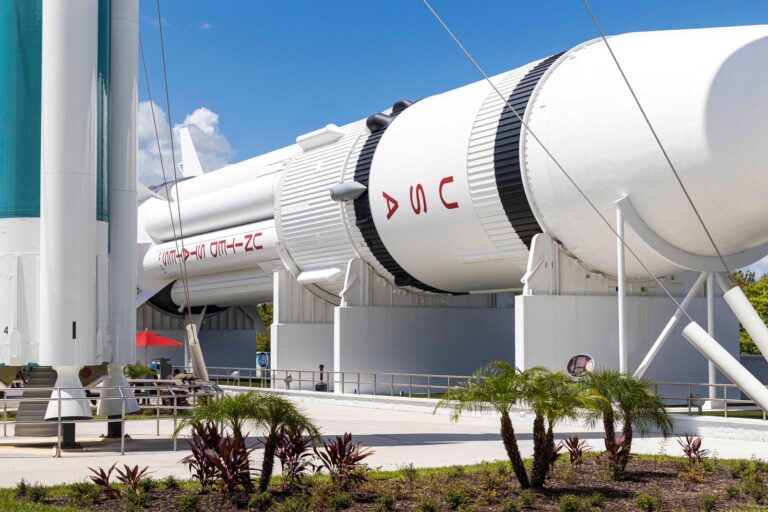
In 1962, one missing overbar in an Atlas guidance equation helped send Mariner 1 off course, forcing range safety to destroy NASA’s $18.5 million Venus mission less than five minutes after launch
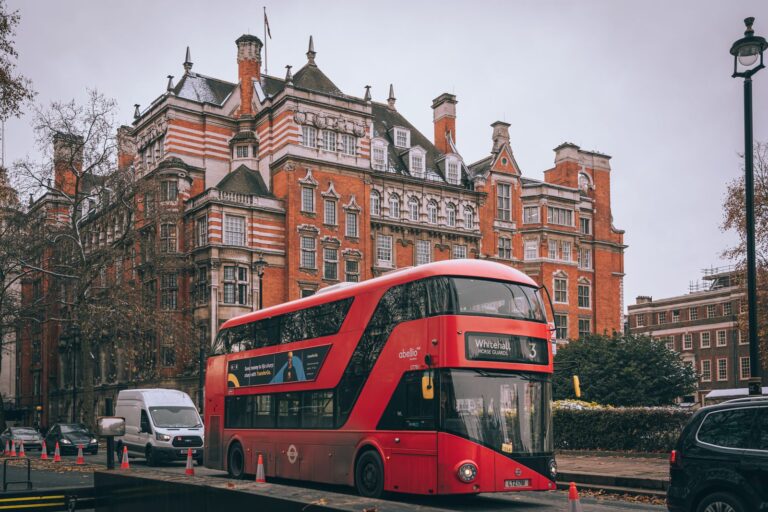
How did a physician in 1854 stop a cholera outbreak that killed 616 people in ten days by mapping deaths on a London street grid and removing a single cast-iron pump handle?
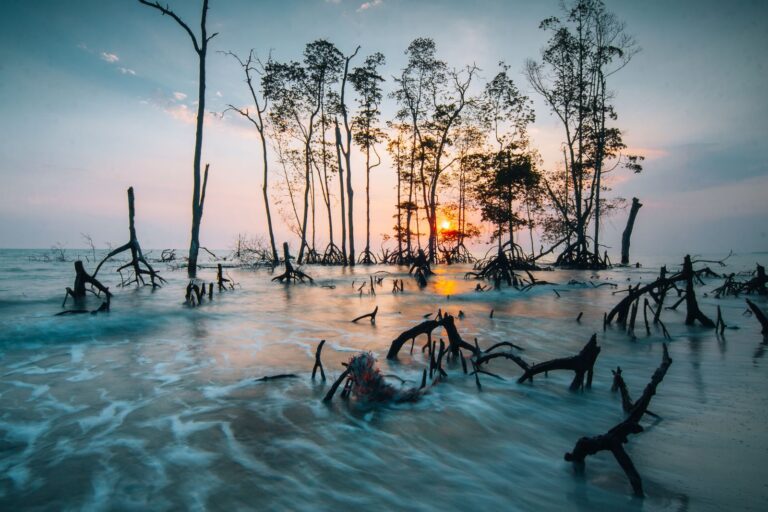
What happened when a low-lying delta nation that lost roughly 138,000 people to a 1991 cyclone expanded coastal forests, shelters and village warnings together?
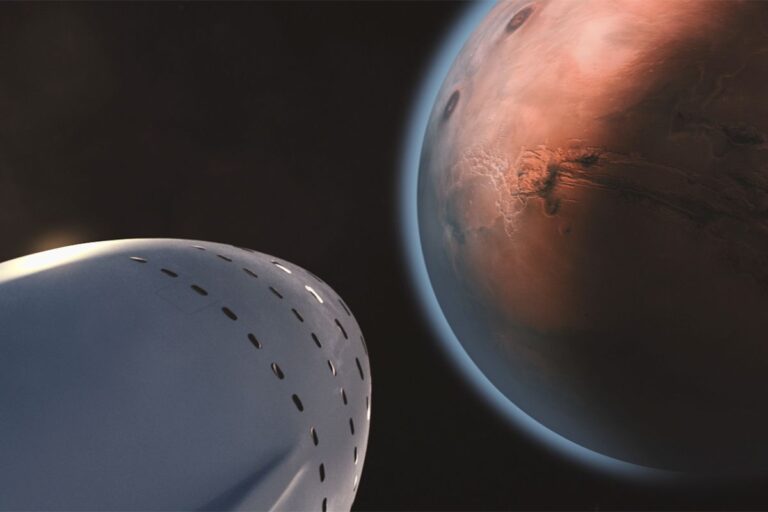
How does a spacecraft launched in 1977, now more than 24 billion kilometres away, still transmit data to Earth on less electrical power than a household hallway bulb?
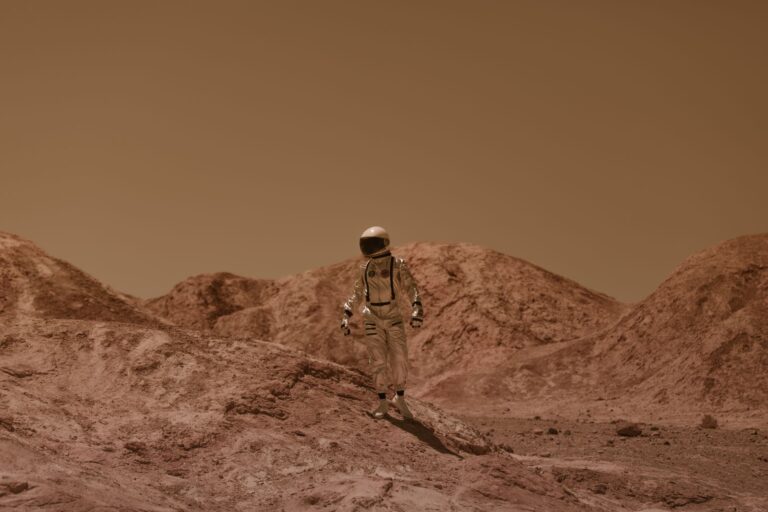
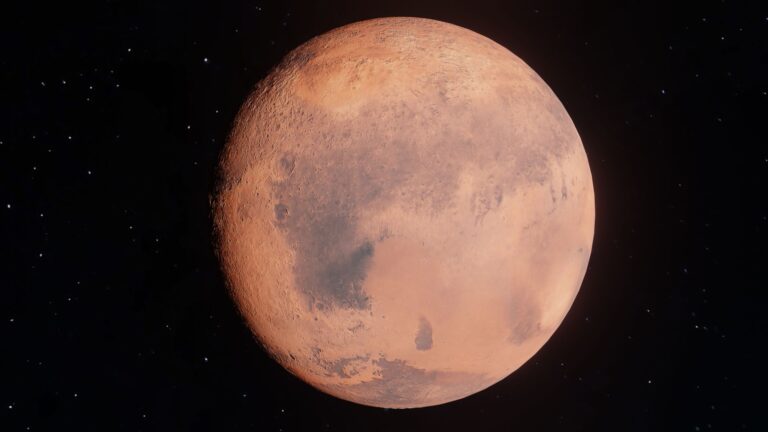
In 1971, a global dust storm on Mars swallowed the entire planet for weeks, hiding every surface feature from Mariner 9 as it arrived in orbit, and forcing NASA to wait months before the first detailed maps could even begin
Every year, roughly 27.7 million tons of Saharan dust cross the Atlantic on trade winds and settle over the Amazon, carrying the phosphorus that keeps the rainforest soil from collapsing into something closer to sand
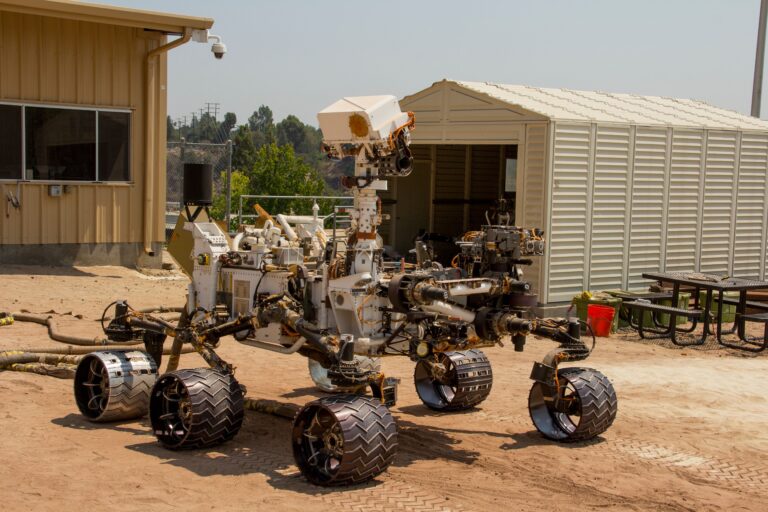
In December 2025, NASA’s Perseverance rover completed the first drives on another planet whose routes were generated by artificial intelligence, travelling 210 and 246 metres along Jezero Crater’s rocky rim after engineers verified the plans on Earth.