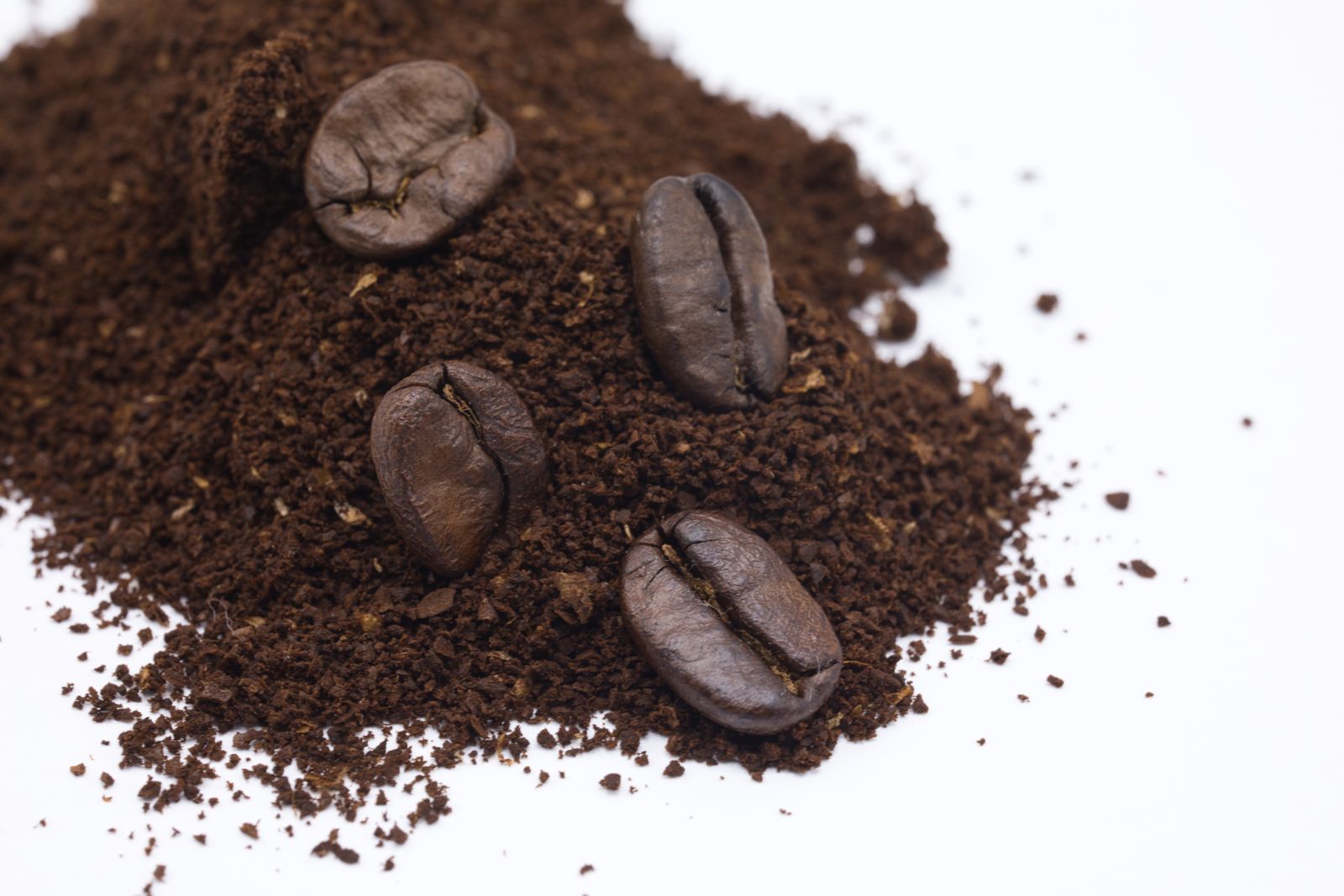
Wet biomass does not always have to be dried before thermal processing begins. In a 2026 Chemical Engineering Journal study, Taejun Park of the Korea Institute of Geoscience and Mineral Resources and collaborators Gideok Park and Hyunseung Shin treated spent coffee grounds containing approximately 55 percent moisture without drying or removing their oils first. An LPG-based flame plasma converted the wet material into porous biochar in 90 seconds under the study’s optimum laboratory condition.
The water was not an energy source, and it did not eliminate the heat required for evaporation. Instead, the researchers found that rapidly vaporising moisture helped rupture the coffee particles and open pores inside the remaining carbon structure. They called this pressure-driven mechanism the popcorn effect.
What the Korean team actually tested
The researchers collected spent coffee grounds from a cafeteria at KIGAM and processed them in their untreated, wet state. Each experiment used a 30-gram batch placed 10.5 centimetres from the nozzle of a commercial atmospheric-pressure flame plasma device.
They exposed separate samples for 50, 70, 90, and 110 seconds. The 90-second treatment produced the best combination of heating value and surface area, while extending the treatment to 110 seconds began to damage the carbon structure and reduced its heating value.
This was a controlled batch experiment, not a continuous production line. The small sample size matters because feeding tonnes of wet, irregular biomass through a reactor involves handling, heat recovery, gas management, and safety requirements that a 30-gram trial does not test.
How the popcorn effect works
Conventional torrefaction and pyrolysis usually work best with relatively dry feedstock. Hydrothermal carbonisation can process wet material, but it generally requires a pressurised reactor and residence times measured in hours rather than seconds.
The KIGAM method takes another route. Its intense heat flux rapidly vaporises the moisture and oils inside each coffee particle, causing internal pressure to rise until gases escape through cracks and pores. The researchers described the resulting rupture as a micro-explosion or popcorn effect.
The word “explosion” should not be mistaken for a detonation in the conventional sense. It describes microscopic structural disruption inside the biomass as water and volatile compounds turn into gas and escape.
This was flame plasma, not a conventional electric torch
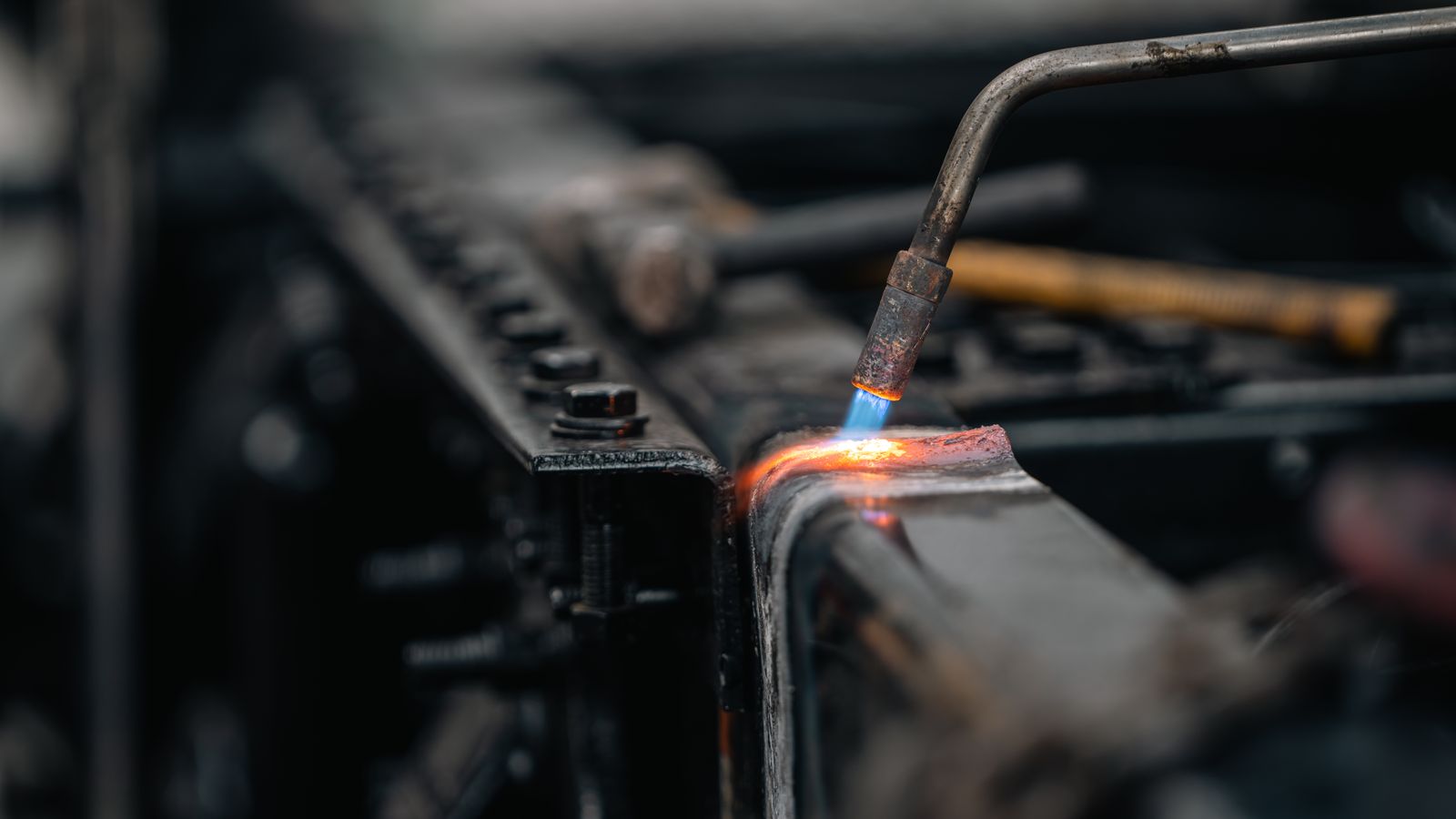
The original description of an inert gas passing through an electric arc does not match the apparatus in this study. The researchers generated their plasma jet by burning a near-ideal mixture of liquefied petroleum gas and compressed air, a configuration also described in contemporary engineering coverage of the experiment.
The flame applied to the sample was approximately 800–900°C. The study did not use argon, did not report a 3,000°C treatment temperature, and did not describe the system as drawing hundreds of kilowatts from the electrical grid. Its authors specifically distinguished the device from electrically driven plasma torches and said it required minimal electrical energy, although it still consumed LPG and energy for compressed air.

What emerged after 90 seconds
The resulting biochar reached a higher heating value of 29.0 megajoules per kilogram. The paper compares that result with a standard anthracite range of 25.1–29.3 MJ/kg, so describing the product as anthracite-grade refers to its energy density by mass, not to an identical composition or combustion profile.
The untreated grounds registered 21.8 MJ/kg in the researchers’ calorific analysis, which was conducted after an analytical sample had been air-dried to 8.68 percent moisture. The 29.0 MJ/kg result therefore represents an approximately 33 percent increase on the study’s dry analytical basis, not a direct comparison with a kilogram of soaking-wet grounds.
The paper reports an 83.3 percent reduction relative to the wet starting mass and a dry-matter mass yield of 37.0 percent. Those figures appear different because approximately 55 percent of the starting material was water. Once the starting bases are aligned, they are approximately consistent.
Secondary reports, including ZME Science’s account of the coal-like fuel produced in 90 seconds, correctly identify the speed and central result. What those figures do not establish is whether a commercial plant could produce more usable energy than it consumes.
Why the water changes the structure
Rapid evaporation does more than remove moisture. As steam and other gases escape, they create cracks and open channels through the carbon matrix. That increased the measured specific surface area from about 1.5 square metres per gram in the untreated material to a peak of 115.4 square metres per gram after 90 seconds.
The water therefore served as an in-situ steam-activation agent. It helped produce the porous morphology, but the LPG flame still supplied the heat needed to vaporise it and drive carbonisation.
What the microscope showed
The researchers examined the treated material with scanning electron microscopy after processing. The untreated grounds had comparatively smooth, closed surfaces, while the plasma-treated samples displayed cracks, macropores, and a more open structure.
The study did not report high-speed footage of individual grains repeatedly bursting. Its account of the popcorn effect comes from the observed morphology and the proposed pressure mechanism, supported by the way surface area changed across the different treatment times.
Porosity peaked after 90 seconds. At 110 seconds, the measured surface area fell to 65.6 square metres per gram even though larger pores remained visible, suggesting that excessive heating had widened or collapsed smaller pores and increased ash accumulation.
The energy balance is the largest caveat
The speed of the treatment is striking, but residence time is not the same thing as energy efficiency. The paper reports a specific process-energy consumption of approximately 154 MJ for every kilogram of char produced, while the char itself had a heating value of 29.0 MJ/kg.
On those reported char-only figures, the laboratory process consumed more than five times the energy contained in the solid product. The researchers argue that industrial heat recovery and continuous equipment could reduce operating energy, but they did not demonstrate that improvement in this experiment.
The paper also reports a 49.1 percent energy yield in the char. In other words, roughly half of the energy associated with the dry starting material remained in the solid product, while the rest left with volatilised material, gases, heat, or other losses. The study discusses potentially valuable syngas formation, but it does not demonstrate a complete commercial system that captures and uses that gas.
Why the climate claims need restraint
Turning waste into a useful material may reduce disposal burdens, but this experiment does not prove that the resulting fuel is carbon-neutral. A full assessment would need to count the LPG, compressed air, collection and transport of the grounds, reactor construction, heat recovery, displaced waste treatment, and emissions when the char is burned.
The researchers observed little smoke or oil during the short treatment, and the char’s lower oxygen content and porous structure may improve its fuel properties. Those laboratory observations are not the same as emissions testing in an industrial combustor.
The char may also be more valuable as a carbon material than as something to burn. Its surface area suggests possible use as a precursor for activated carbon or as an adsorbent, but filtration, soil, and electrode applications would require separate performance and safety tests.
What commercialisation would require
A continuous system would need to deliver wet grounds evenly through the flame while holding treatment close to the 90-second optimum. It would also need to recover heat, handle gas products, prevent fine particles from escaping, and demonstrate stable operation with variable moisture and composition.
The researchers specifically call for additional studies across different moisture concentrations. Their experiment proved that coffee grounds containing about 55 percent water could be processed without predrying, but it did not determine the ideal moisture level or show that wetter feedstocks would behave the same way.
Economic claims must therefore remain provisional. Eliminating a separate drying stage is potentially useful, but the reported process-energy consumption shows that avoiding a dryer does not make the overall energy bill disappear.
The limited connection to Mars
The broader idea has relevance to closed-loop waste processing, including systems designed for future off-world habitats. A crewed outpost would need ways to manage wet organic residues without wasting large amounts of heat, water, or storage capacity.
This particular machine could not simply be transferred to Mars. It relies on LPG and compressed air at atmospheric pressure, resources and operating conditions that a Martian settlement would have to create or replace. Any off-world version would need a different heat source, oxidiser strategy, reactor design, and method for recovering water and gases.
The useful lesson is narrower but still interesting: moisture inside a waste particle does not have to be treated only as contamination. Under the right conditions, its rapid phase change can help restructure the material being processed.
The result in one sentence
In a 30-gram laboratory batch, wet coffee grounds entered an 800–900°C LPG-and-air flame plasma, their internal moisture flashed into steam and helped open pores through the popcorn effect, and the best 90-second treatment produced biochar with a measured heating value of 29.0 MJ/kg. That is a credible materials result, but turning it into an economical or climate-beneficial fuel process will require a far more efficient continuous system and a complete lifecycle assessment.