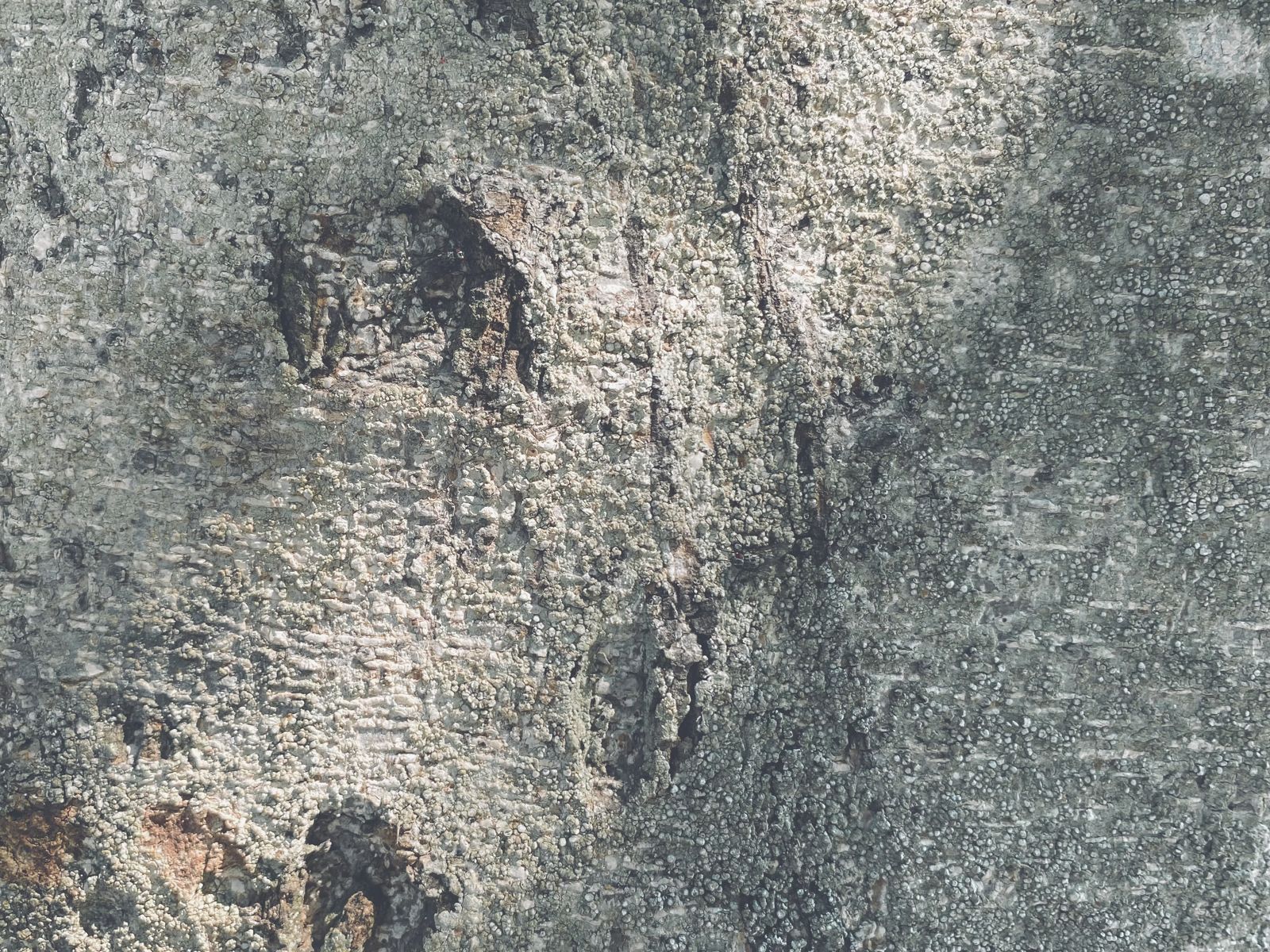
In September 1994, New South Wales National Parks and Wildlife Service officer David Noble was exploring a remote gorge in Wollemi National Park when he came across a group of trees he did not recognise. They had flat, fern-like sprays of leaves and dark bark covered in soft, knobbly bubbles.
Cuttings taken from the gorge eventually reached botanists at the Royal Botanic Gardens Sydney. In 1995, the tree was formally described as a new genus and species, Wollemia nobilis. The genus name honoured the national park; the species name honoured Noble.
A canyon kept off the map
The wild site lies roughly 150 kilometres northwest of Sydney, but its exact location has never been publicly released. Access is tightly controlled, and scientists entering the area must follow strict hygiene procedures designed to keep soil-borne disease out.
The secrecy is not theatrical. The entire known wild population occupies four small stands within one canyon system. Contaminated mud on a boot, a badly timed fire or another localised disturbance could affect a large share of the species at once.
An ancient family, but not a frozen fossil
The Wollemi pine belongs to the Araucariaceae, a conifer family with a history stretching back about 200 million years. Its living relatives include kauri trees, monkey puzzles and Norfolk Island pines.
The fossil comparison needs more care than the familiar “Jurassic tree” label suggests. Fossil pollen and foliage resembling members of the Wollemi lineage occur in ancient deposits, but those remains do not demonstrate that the modern species has stood genetically unchanged since the Jurassic.
In a 2015 interview, Australian National University forestry specialist Cris Brack told ABC News that Wollemi-like trees once ranged across Australia, with fossil records extending back about 121 million years. That still places the lineage in forests far older than most of Australia’s familiar eucalypts and acacias.
What the official count actually says
The number most often repeated in older reports is “about 100 trees.” That figure combines plants of different ages and can also be complicated by coppicing, because several trunks may rise from one root system.
The national recovery plan published in 2025 gives a more precise baseline, current to June 2024: 45 mature plants and 46 juveniles spread across four discrete stands. Together they form the species’ only known natural population.
Low diversity is not the same as one genome
Early genetic testing found extremely little variation among sampled trees, helping create the impression that the entire population was genetically identical. The broader finding remains alarming: the species is highly inbred and has exceptionally low diversity.
Later work, however, detected small differences that matter for conservation. A chloroplast-genome study identified three genetic lineages, including two rare ones. The recovery plan also records low-level variation within and between the four stands.
That changes the logic of propagation. Producing large numbers of trees is useful, but conservationists must also make sure the surviving variation is represented. A collection drawn from only a few parent trees cannot stand in for the full wild population.
Fire and disease have already reached the canyon
The soil-borne water mould Phytophthora cinnamomi was detected at the wild site in 2005. Authorities believe it was most likely carried into the restricted area on contaminated footwear or equipment used by unauthorised visitors.
During the 2019–2020 bushfires, crews used irrigation, water bombing, fire retardant and specialist firefighters to defend the groves. The mature trees survived, but fire entered parts of the site and killed some juveniles. Recovery planning now recognises that the species needs long intervals between severe fires so young plants can reach maturity.
Building a backup population around the world
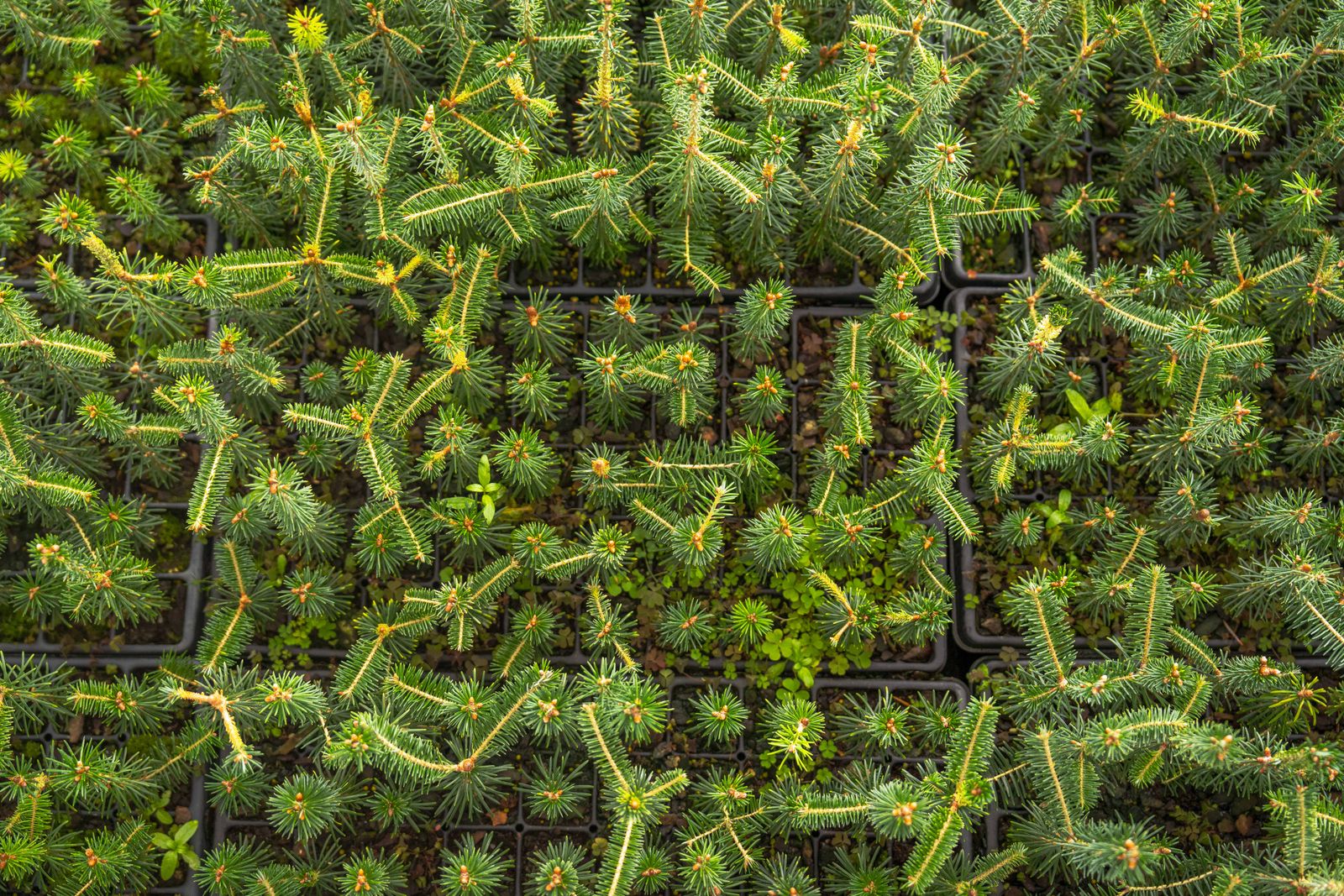
Australia’s public commercial-release programme began in 2005. Selling legally propagated Wollemi pines was intended to reduce pressure from collectors, raise conservation funds and establish trees far beyond the vulnerable canyon.
The earliest cultivated population represented only part of the genetic variation later detected in the wild. Newer projects are therefore concentrating on genetically representative backup collections rather than simply producing more copies of the same few parent plants.
In 2023, more than 170 young trees were sent from Australia to botanic gardens in Britain and Europe. The distribution was designed as a coordinated metacollection, with participating gardens collectively protecting as much of the remaining diversity as possible.
One of those trees gained a prominent home when King Charles III planted a Wollemi pine at Westonbirt Arboretum in Gloucestershire. Rare Wollemi pines also grow at the National Trust for Scotland’s Inverewe Garden on the country’s northwest coast, demonstrating how widely the species can be cultivated under suitable conditions.
Private gardens have produced their own surprises. Pamela and Alistair Thompson bought an 18-inch sapling in 2010, according to a 2025 report about the tree producing cones at their English home. The event was notable because cone production on a privately grown specimen remains uncommon, although the report did not place a $6,000 value on its seeds.
What the tree looks like up close
Wild Wollemi pines can exceed 40 metres, although the average mature tree is considerably shorter. Trunks can approach 90 centimetres in diameter and are covered with dense, soft nodules often compared to bubbling chocolate.
The tree readily coppices from its base, producing several trunks from one root system. Its branches form distinct tiers, while the leaves appear in two or four ranks depending on the shoot. Growing tips develop a pale, waxy cap during colder months.
Reproductive branches are not necessarily used once and discarded. Research summarised in the recovery plan shows that a branch may continue growing after producing cones and can reproduce again during a lifespan of up to about 11 years.
Why the exclusion zone still matters
Propagation has made the Wollemi pine familiar in gardens, but it has not made the wild population secure. Disease, severe fire, unauthorised access, browsing animals and a changing climate remain listed threats.
The distinction matters. Thousands of cultivated trees can protect the species from total disappearance, yet they cannot recreate the ecological history contained in four stands that have persisted in the same sandstone landscape for generations.
A survivor that is still changing
The Wollemi pine is extraordinary without being described as an unchanged Jurassic organism. It is the sole living species in its genus, a member of an ancient conifer family and a modern population still growing, reproducing and accumulating genetic differences.
Somewhere west of Sydney, 45 known mature plants and dozens of juveniles remain inside a canyon whose coordinates are kept out of print. Their survival now depends on protecting that canyon while ensuring every surviving genetic line has another home beyond it.