
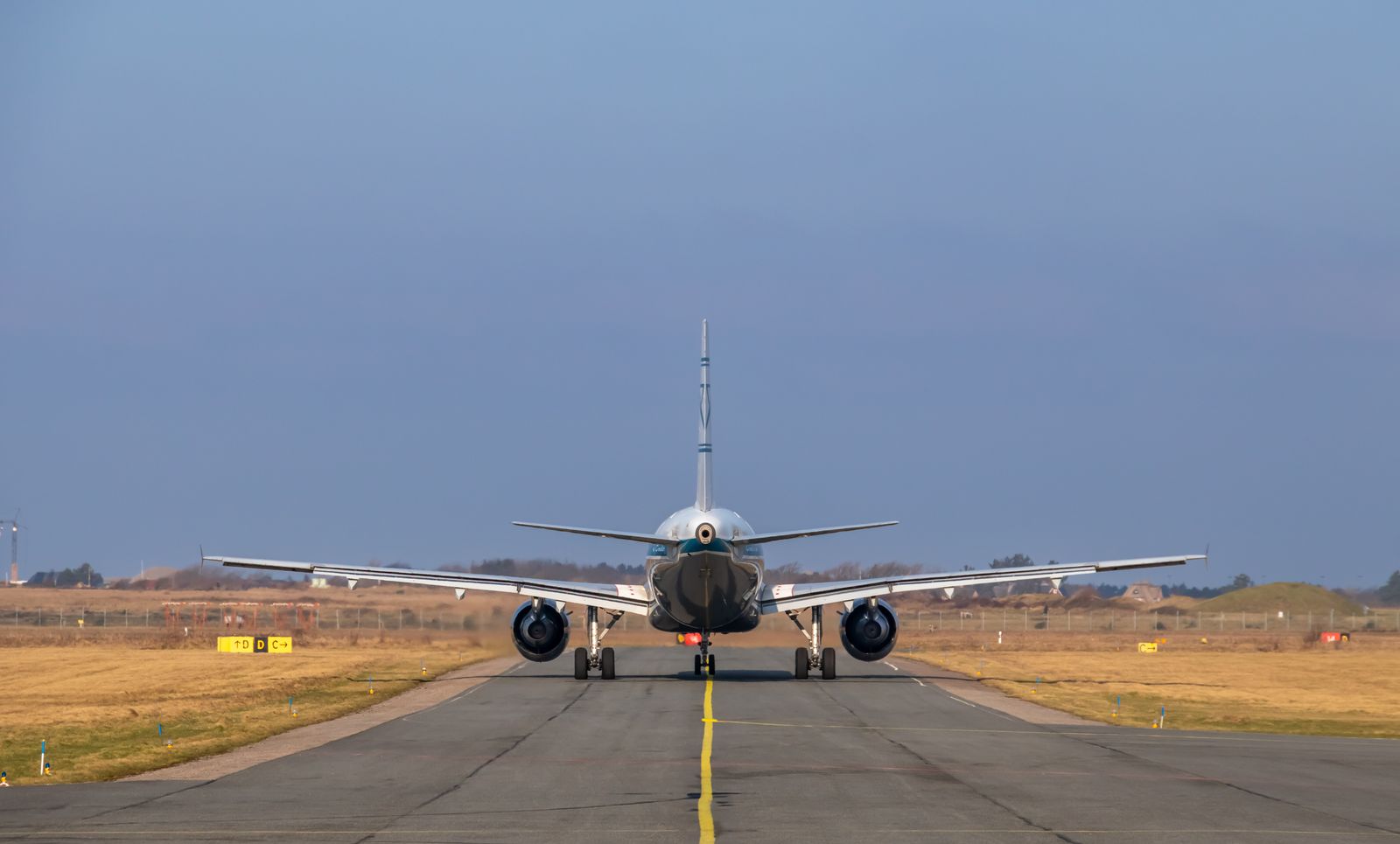
On Wednesday, 12 August 2026, Heart Aerospace’s X1 demonstrator lifted off from Plattsburgh International Airport in upstate New York. With a 106-foot wingspan and a takeoff weight exceeding 25,000 pounds, the aircraft became the largest battery-electric aircraft ever flown. It carried one pilot and no passengers.
The flight lasted 27 minutes and reached 1,100 feet above ground level. According to WCAX’s report on the maiden flight, the batteries used about $5 worth of electricity. That figure describes the electricity consumed during the test, not the complete cost of operating the aircraft.

What actually flew that Wednesday
The X1 is a full-scale test aircraft rather than the airliner Heart ultimately intends to certify and sell. Heart describes it as representative of the planned 30-seat ES-30 hybrid-electric regional aircraft. It was built to test the airframe, propulsion system, aerodynamics, flight performance, and Heart’s ability to manage a commercial-scale aircraft program.
Four wing-mounted electric motors powered the X1’s propellers. During the flight, the propulsion system delivered more than one megawatt of power. Getting an aircraft of this size airborne under battery power was the central achievement, even though the mission was intentionally limited.
Clinton County said Heart chose Plattsburgh for its extensive airfield infrastructure, 11,750-foot concrete runway, low traffic density, and regional aerospace cluster. The same county account says the aircraft completed structural, propulsion, systems, and low-speed and high-speed taxi testing before piloted flight began.
What the 27-minute mission proved
The first flight followed a deliberately restrained profile. Assembly Magazine reported that it included taxiing, takeoff, climbing, maneuvering, and landing. There was no attempt to set a range, altitude, payload, or endurance record.
The mission instead demonstrated that the X1 could leave the runway, maintain controlled flight, maneuver, and land using its battery-electric propulsion system. That is a meaningful technical milestone, but it is narrower than proving that a battery-powered regional airliner is ready for passenger service. The X1 remains an experimental demonstrator.
Why the $5 figure needs context
Five dollars is an arresting number, particularly during a period of elevated jet-fuel prices. However, Popular Science noted that the figure excludes crew, airport, maintenance, insurance, and long-term battery costs. It should therefore be understood as the cost of electricity consumed, not the total operating cost of the mission.
Battery-powered aviation also faces a severe weight constraint. Jet fuel stores far more energy per kilogram, and an aircraft becomes lighter as that fuel is burned. Batteries retain essentially the same mass throughout a flight, even after their usable energy has been discharged.
Electric motors can be simpler and more efficient than combustion engines, potentially reducing energy and maintenance expenses. Whether those advantages produce the savings Heart projects will depend on the certified aircraft’s battery life, charging requirements, maintenance program, payload, and real-world utilisation. A single demonstrator flight cannot answer those questions.
The customers already attached to the program
Heart says the ES-30 has attracted customer commitments from United Airlines, Air Canada, and JSX. The company also says it is developing its first pre-production ES-30 in Los Angeles, with flight testing scheduled to begin in 2028. Type certification and entry into service are targeted for 2031.
Those commitments provide commercial interest, but they do not remove the technical and regulatory work ahead. Aircraft orders and commitments commonly depend on certification, performance, delivery, and other contractual conditions. The X1 flight advances the program without proving that the production schedule or performance targets will be met.
Why the production aircraft will be hybrid
The X1 flew entirely on batteries, but the planned ES-30 is a hybrid-electric aircraft. Heart currently advertises an all-electric range of 125 miles and a hybrid range of 500 miles. Those are targets for the production design rather than results demonstrated by the X1’s maiden flight.
The publicly described production configuration combines electric propulsion with fuel-burning engines for additional range. Ars Technica reports that the design pairs two inboard electric motors with commercial turboprop engines. That arrangement is intended to preserve battery-only operation on short sectors while making longer regional routes possible.
This distinction matters because the X1 did not demonstrate a 125-mile passenger flight, a 500-mile hybrid mission, or regulatory reserves. It demonstrated that a commercial-scale airframe could complete a controlled flight using battery power alone. Turning that achievement into a certifiable 30-seat airliner is the larger challenge.
Quieter does not mean silent
An all-electric aircraft produces no combustion exhaust during battery-powered flight. It also removes turbine-engine combustion noise from the X1’s propulsion system. The propellers still create aerodynamic noise, however, so describing the flight as silent would be inaccurate.
No verified decibel comparison was published with the flight announcement. Claims about exactly how much quieter the X1 was than a conventional regional aircraft should therefore wait for measured data. The absence of fuel burn during the flight is established, while the precise community-noise benefit remains to be quantified.
What happens next
Heart must now use the X1’s flight data to refine the ES-30 program and prepare the pre-production aircraft. The company is pursuing FAA Part 25 certification, the transport-category standard used for airliners. The X1’s experimental airworthiness certificate allowed flight testing, but it is not equivalent to certification for passenger service.
Heart projects that the ES-30 could reduce operating costs by more than 40 percent compared with legacy regional aircraft. That remains a manufacturer forecast until a representative production aircraft completes testing and its maintenance, charging, and operational requirements become clear. The planned 2031 certification date should likewise be treated as a target.
Where the flight sits in aviation history
Electric flight itself is not new, and smaller battery-powered aircraft have flown before the X1. What distinguishes this mission is the scale of the aircraft involved. A 106-foot wingspan, a takeoff weight above 25,000 pounds, and more than one megawatt of electric propulsion move the experiment into territory relevant to regional aviation.
The $5 electricity figure captures attention, but the more durable achievement is that the X1 completed a controlled piloted flight at that scale. It did not prove that batteries can replace jet fuel across commercial aviation, nor was it intended to do so. It established a new test point from which Heart can develop and evaluate its hybrid-electric airliner.
For now, the X1 is back on the ground in Plattsburgh after 27 minutes in the air. Its first flight verified that the demonstrator could take off, maneuver, and land on battery power. The next milestones will determine whether that brief flight can be translated into a reliable aircraft carrying passengers on scheduled regional routes.